
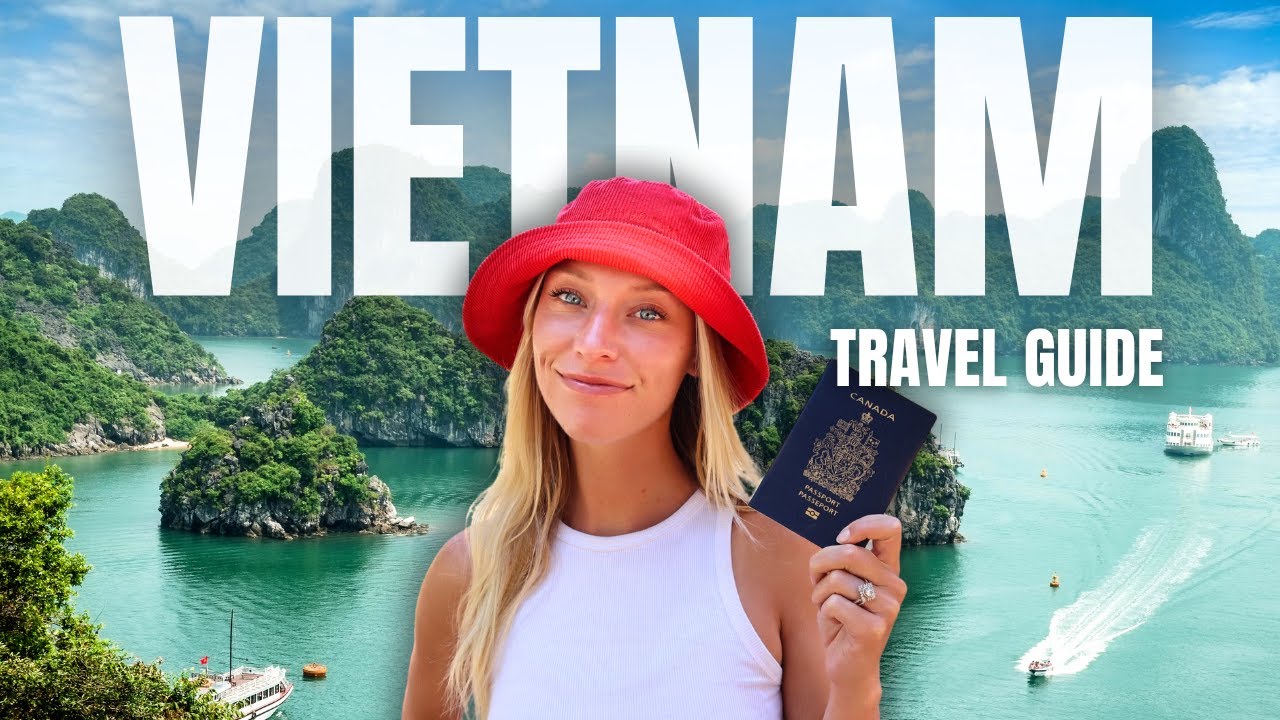
Vietnam is one of those countries that gets under your skin in the best possible way. From buzzing cities and lantern-lit rivers to misty mountains and emerald bays, it’s a destination that feels endlessly rewarding for first-time visitors and seasoned travelers alike. After spending a full month traveling through Vietnam, Lloyd and Mandy — digital nomads since 2021 — put together a route that showcases the country’s highlights without feeling rushed.
If you’re planning a trip to Vietnam and want a mix of iconic sights, affordable comfort, unforgettable food, and smooth transportation, this guide covers everything you need to know.
Vietnam Visas: Simple and Affordable
Vietnam currently offers 30-day single-entry tourist visas, with the option to extend your stay for up to three months once inside the country. The application process is refreshingly straightforward and costs around US$25.
You’ll need:
- A passport with at least six months validity
- One passport-size photo
- Proof of onward travel (flight or hotel booking works)
- Payment of the visa fee
Everything is completed online, making Vietnam one of the easier Southeast Asian countries to plan for in advance.
First Stop: Ho Chi Minh City (Saigon)
Ho Chi Minh City is often the gateway to Vietnam, and it makes one unforgettable first impression. With nearly nine million people, a constant flow of motorbikes, and street food sizzling at every corner, Saigon hits all your senses at once — and somehow, it just works.
For first-time visitors, District 1, especially around Nguyen Hue and Dong Khoi Street, is the best base. It’s walkable, central, and packed with restaurants, bars, and historic sights. Budget-friendly hotels are easy to find here, with comfortable stays starting at around US$30 per night, often including breakfast.
One must-visit spot is Bui Vien Walking Street. It’s loud, chaotic, and wildly entertaining — perfect for people-watching with an ice-cold Saigon beer. If nightlife isn’t your thing, daytime café hopping is just as rewarding.
Food is a highlight in Saigon. Pho and banh mi stalls appear everywhere, and thanks to French influence, the café culture is surprisingly strong. Don’t leave without trying Vietnamese egg coffee, a rich and creamy local specialty.
For something deeper, a motorbike food tour offers a brilliant introduction to local flavors while letting you experience the city the way locals do — from the back of a scooter.
Second Stop: Mui Ne
Mui Ne is a laid-back coastal town known for its dramatic white sand dunes, fishing culture, and relaxed pace. It’s a welcome contrast after the energy of Saigon.
The sunrise sand dune tours are the main attraction — popular, yes, but still worth it. Exploring the local fishing harbor offers a raw glimpse into daily coastal life, though be prepared for very authentic fishy aromas.
Accommodation here is exceptionally affordable. Beachfront resorts often cost around US$20–25 per night, making Mui Ne a great value stop for a couple of nights.
Getting Around Vietnam
Traveling through Vietnam is surprisingly easy. Most long-distance journeys can be done by bus or train, and platforms like 12Go Asia make booking straightforward and reliable. Traveling overland also lets you see more of the countryside — an underrated bonus.
Third Stop: Nha Trang
Nha Trang is a lively coastal city famous for its beaches, diving sites, and offshore islands. During the day, the heat can be intense, but by night the city transforms. Street vendors, lanterns, fireworks, and buzzing night markets give it a completely different energy after sunset.
Nha Trang caters to everyone — from backpackers to luxury travelers — with everything from budget hotels to five-star beachfront resorts. Even if you don’t linger long, it’s worth experiencing the city at night.
Fourth Stop: Hoi An
Hoi An is often considered Vietnam’s most beautiful city, and it’s easy to see why. The Old Town is a perfectly preserved trading port filled with lanterns, riverside cafés, and historic architecture influenced by multiple cultures.
The monthly Lantern Festival, held during the full moon, is magical — but even on regular nights, lanterns glow along the river, especially if you take a short boat ride after sunset.
Hoi An is also a food lover’s paradise. One standout dish is bun thit nuong, a flavorful noodle bowl that often costs as little as US$2. Boutique hotels just outside Old Town regularly offer excellent value, around US$30 per night, often with free bicycles included.
Fifth Stop: Da Nang
Da Nang is Vietnam’s largest city in the central region and often surprises visitors with its size and modern feel. Surrounded by beaches, mountains, and wildlife, it’s more than just a transit stop.
One highlight is the Helio Night Market, where you’ll find street food stalls, beer gardens, and live music — a fun, affordable evening that’s also family-friendly.
Sixth Stop: Hanoi
Hanoi feels completely different from the south. It’s older, more chaotic, and deeply atmospheric. The Old Quarter is a maze of narrow streets named after traditional trades, where life spills out onto the sidewalks.
One of Hanoi’s most famous sights is Train Street, where trains pass mere feet from cafés and homes. It’s surreal to witness — and even more impressive in person.
At night, Beer Street becomes the heart of social life. Plastic stools, cold beer costing as little as US$0.50, and nonstop people-watching make it dangerously easy to return every evening. For something quieter, Hanoi also has hidden jazz bars and secret speakeasies tucked away behind unmarked doors.
Seventh Stop: Ha Long Bay
Just two hours from Hanoi, Ha Long Bay is one of Vietnam’s most iconic landscapes. Emerald waters, towering limestone islands, and misty horizons make it feel almost unreal.
Overnight junk boat cruises are the best way to experience the bay. A two-day luxury cruise typically costs around US$350, including meals, activities, and transport. Watching the sunset from the deck alone makes it worth every dollar.
Eighth Stop: Sa Pa
Set high in the mountains near the Chinese border, Sa Pa offers cool air, rolling hills, and a glimpse into Vietnam’s ethnic cultures. Visiting Cat Cat Village feels like stepping back in time, with traditional dress, river windmills, and local dances creating an almost dreamlike atmosphere.
Sa Pa is also known for comfort after adventure. Luxury hotels here cost far less than you’d expect, with five-star stays available for around US$100 per night, often including lavish breakfast spreads.
For panoramic views, the Fansipan cable car lifts visitors above the clouds to over 3,000 meters. Even the train ride to the station at the base is an experience in itself.
The 32-Hour Overnight Train Experience
To wrap up their journey, Lloyd and Mandy skipped flying and chose the Reunification Express, a 32-hour overnight train running from Hanoi back to Ho Chi Minh City.
First-class sleeper cabins cost around US$150 per person, offering privacy, included meals, and even a roaming beer cart. It’s a slower way to travel, but also one of the most memorable — a rolling window into Vietnam’s landscapes and daily life.
Why Vietnam Belongs on Your Travel List
Vietnam combines affordability, variety, and authenticity in a way few countries do. Whether you’re sipping egg coffee in Saigon, floating through lantern-lit rivers in Hoi An, or waking up to mountain mist in Sa Pa, every stop feels distinct.
It’s a country that rewards curiosity — and one that many travelers leave already planning their return.
Looking for ideas on what to do in Da Nang? Why not try this article here.
Check on YouTube