
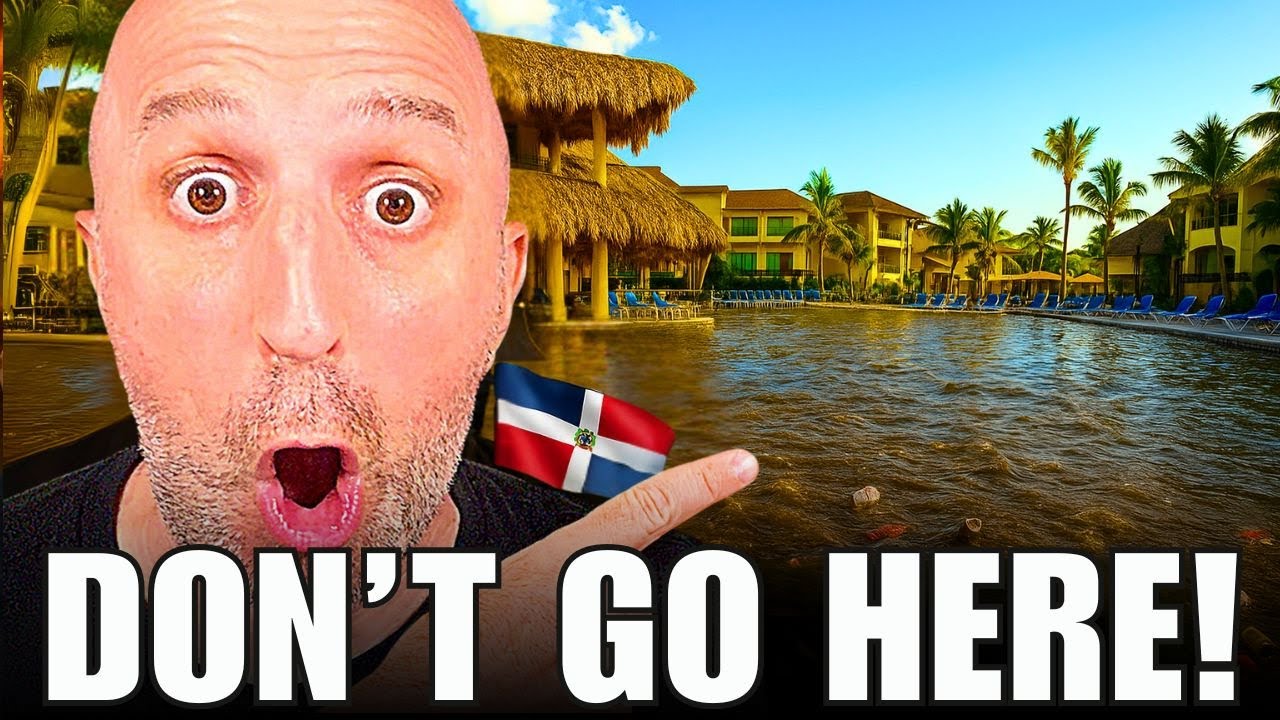
Punta Cana is one of the Caribbean’s most reliable postcard dreams. Powdery beaches, warm water, easy airport transfers, and an all-inclusive scene that attracts millions of travelers every year. Yet in 2025, Punta Cana found itself ranked among the world’s most disappointing tourist destinations in a widely shared Paris Syndrome report—an eyebrow-raising result for a place so visually perfect.
The truth, however, isn’t about the beaches, the food, or the airport experience. It’s about expectations colliding with reality, and in this case, that collision appears to be concentrated around a very specific type of resort experience.
Why Punta Cana’s Reputation Took a Hit
The Paris Syndrome report analyzed over 97,000 traveler reviews across the world’s top destinations, searching for patterns behind disappointment. Punta Cana ranked third worst globally—not because most visitors had a bad time, but because a noticeable minority voiced the same complaint repeatedly.
That complaint wasn’t scams, crime, or infrastructure. In fact, earlier concerns about aggressive selling and pricing pressure have largely faded. The dominant issue in 2025 was something far more damaging to a luxury destination’s image: rudeness and poor service.
When destinations were ranked specifically by perceived rudeness, Punta Cana landed at the very top.
And yet, context matters.
Nearly 90% of visitors still described their experience as positive, which tells us something important: this isn’t a Punta Cana problem—it’s a resort-level problem.
The Budget Trap and the “Paris Syndrome” Effect
One pattern stood out clearly in the data:
The highest concentration of negative reviews came from low-cost, budget-focused resorts.
This aligns with what seasoned travelers already know. When expectations are stretched thin by price, small service failures feel enormous. Punta Cana is marketed as a dream destination—sunset dinners, barefoot luxury, turquoise water—but when guests arrive to watered-down drinks, indifferent staff, and cafeteria-quality food, the illusion cracks.
That gap between expectation and reality is the very definition of Paris Syndrome: the emotional letdown that happens when a destination doesn’t match its Instagram version.
Punta Cana isn’t failing—it’s being misrepresented by experiences that don’t live up to the image being sold.
The Resort Most Often Linked to Negative Reviews
Digging deeper into review platforms like TripAdvisor reveals something even more specific. Among Punta Cana’s largest and most well-known resorts, one property repeatedly surfaced in complaints about rude or dismissive staff.
That resort is Royalton Punta Cana – Autograph Collection.
To be clear, this isn’t a criticism of the physical property. By most accounts, the resort is visually stunning—beautiful beachfront, an impressive lobby, and the polish you’d expect from a globally recognized brand.
The issue lies elsewhere.
Guest reviews frequently describe:
- Actively rude or unhelpful staff
- Indifference during medical or emergency situations
- Confrontational handling of minor issues
- A general sense that guests are treated with suspicion rather than hospitality
In comparative rankings of Punta Cana’s major resorts, Royalton Punta Cana sits near the bottom—not because of its facilities, but because service consistently undercuts the experience.
Why This Matters More Than One Resort
When a resort carries a recognizable international brand, its failures echo louder. For first-time visitors, one bad stay doesn’t just tarnish the hotel—it colors their entire perception of Punta Cana.
That’s especially unfortunate because many mid-range and higher-end resorts in the area deliver exceptional service. Properties under brands like Hyatt, Secrets, TRS, Barceló, and Palladium are often praised for staff professionalism, flexibility, and guest-first problem solving.
This contrast reinforces a key takeaway for travelers:
Punta Cana rewards careful hotel selection.
How to Avoid a Disappointing Punta Cana Stay
If you’re planning a trip, the lesson isn’t “don’t go.” It’s “don’t go cheap and expect luxury.”
A few smart guidelines:
- Treat ultra-low-cost all-inclusives with caution
- Read recent service-focused reviews, not just star ratings
- Prioritize resorts known for staff training and guest recovery
- Consider non–all-inclusive stays if you value autonomy and local dining
Punta Cana is also increasingly attractive for travelers who stay off-resort entirely—whether in condos, boutique hotels, or longer-term rentals—allowing for a more personalized experience away from mass-market expectations.
Punta Cana Isn’t the Problem—Service Standards Are
The data doesn’t suggest Punta Cana is declining. It suggests the destination is outgrowing the budget-tourism model that once defined it. As travelers arrive expecting polished, international-level hospitality, resorts that fail to evolve stand out sharply—and not in a good way.
For Punta Cana to protect its reputation, the solution isn’t marketing or damage control. It’s better training, better leadership, and a guest-first service culture, especially at high-visibility resorts.
The beaches are still world-class. The destination still delivers. But where you stay makes all the difference.
Instead on going there and ruining your experience, why not look for the best resorts in Punta Cana.
Check on YouTube